Source Classic Skirting Board for Hotels, Offices, and Homes
Explore 30 listings for Classic Skirting Board options suitable for indoor and outdoor decoration. Buyers can compare features like durability, custom sizes, and surface treatments from suppliers in Guangdong, China.
Key considerations
Products List
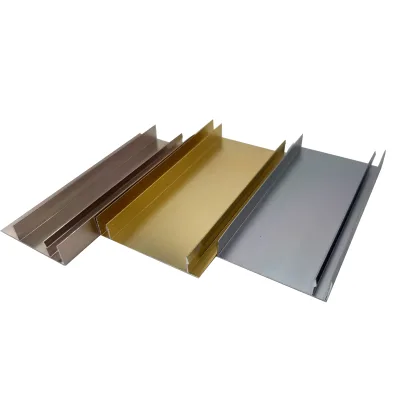
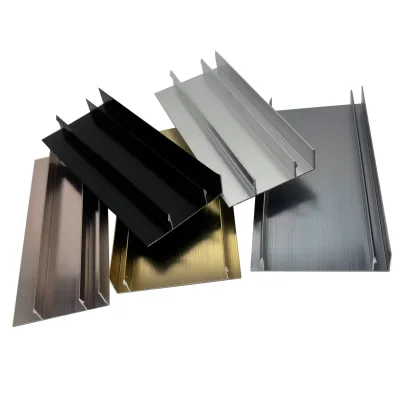
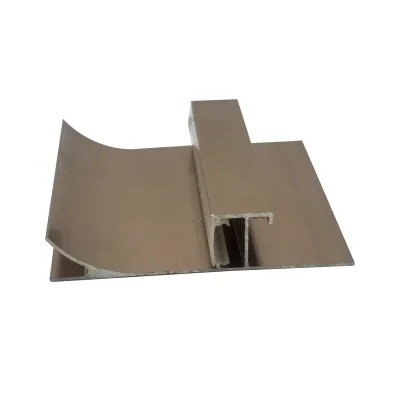
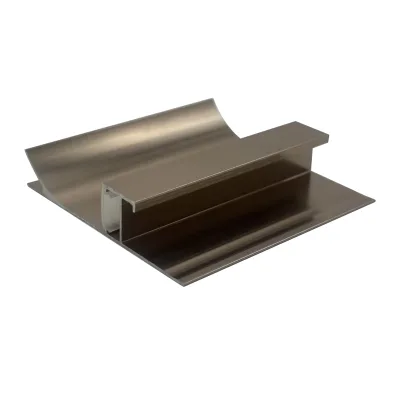


Comprehensive Sourcing Guide
Sourcing Guide for Classic Skirting Board Procurement
Understanding Product Definitions and Material Variants
When sourcing a Classic Skirting Board, buyers must first navigate the diverse landscape of materials and finishes available in the global market. The term "classic" often implies a design aesthetic that is timeless, yet the underlying construction can vary significantly between aluminum, PVC, and other composite materials. In the current supply chain, aluminum skirting finishes are prominent, offering a metallic appearance that suits modern and personalized design styles. These products often feature a "metal" or "golden" color profile and are treated with surface finishes that range from elegant surfaces to other unspecified treatments. Conversely, PVC-based skirting boards are also widely available, characterized by their ability to offer UV resistance, linearity, and high-temperature resistance. These materials are often extruded, a forming method that ensures consistent dimensions and structural integrity.
The distinction between these materials is critical for procurement decisions. Aluminum options are frequently described as durable with easy installation features, making them suitable for high-traffic areas like hotels and dust-free rooms. They are often packaged in textile bags for standard shipments or wooden crates for larger orders. PVC variants, on the other hand, emphasize functional attributes such as being lead-free and lighter in weight, alongside moisture-proof and soundproof capabilities. Buyers should note that while some products are marketed with "Top Grade" or "High Grade" classifications, these are observational attributes rather than guaranteed universal standards. The "classic" aesthetic is achieved through various design styles, including modern, modern simple, and country styles, allowing for customization in shape, such as the common rectangle profile.
Technical Specifications and Customization Capabilities
Technical specifications for skirting boards are rarely one-size-fits-all, particularly when dealing with international suppliers. A key observation in the current market is the prevalence of customizable dimensions. Suppliers frequently list "Accept Customized Size" and "Accept Customized Design" as standard capabilities, meaning the standard length or model number may not be the final specification for a project. For instance, specific model numbers like 6, 17, 844, and 370 appear in product listings, but these often serve as reference points rather than fixed constraints. The physical dimensions can vary, with some listings referencing a standard size of 1-1/8'' *1-1/8'', while others indicate "Others" or "other" for length, necessitating direct verification with the manufacturer.
Customization extends beyond dimensions to include surface treatments and functional properties. While some products are described as having "Elegant Surface" finishes, others may list "Others" for surface treatment, requiring buyers to request specific samples to confirm the texture and durability. The forming method is another critical technical factor; extrusion is a common process for PVC skirting, ensuring high linearity and resistance to temperature changes. For aluminum options, the forming method is less explicitly detailed but often involves extrusion or rolling processes to achieve the desired metal profile. Buyers must verify if the product supports specific project solution capabilities, such as graphic design or total solutions for projects, which can be vital for large-scale commercial installations. The shape is typically rectangular, but the ability to customize the profile allows for the creation of a "classic" look that fits specific architectural requirements.
Compliance, Certification, and Functional Standards
Navigating the compliance landscape for skirting boards requires careful attention to the certifications listed and the functional claims made. In the observed market, certifications such as CE, ISO, and ISO9001 are frequently cited. These certifications often come with specific functional claims attached, such as "Fireproof," "Moisture-proof," "Soundproof," "Waterproof," and "Mould-Proof." However, it is essential to treat these as product-specific attributes rather than universal guarantees for all listed items. For example, one product listing might associate CE and ISO with fireproof and light properties, while another links them to moisture-proof and soundproof functions. Buyers must verify that the specific certification applies to the exact model and material they intend to purchase.
Functional standards are equally important, particularly for applications in sensitive environments like dust-free rooms or hotels. The "Lead Free" and "Lighter Weight" features are notable attributes that align with safety and sustainability goals, especially in regions with strict environmental regulations. UV resistance is another critical functional standard for products intended for outdoor use or areas with significant sun exposure. While some listings mention "FSC" certification, this is considered a low-confidence background fact and should not be relied upon without direct confirmation from the supplier. Instead, buyers should focus on the tangible certifications like CE and ISO9001, which indicate adherence to quality management systems and safety standards. The "Good" quality rating observed in some listings is a general observation and should be substantiated by requesting third-party test results or detailed quality assurance documentation before placing a large order.
Cost Drivers and Pricing Dynamics
The pricing structure for classic skirting boards is influenced by a complex interplay of material costs, customization levels, and order volume. The observed price range in the market spans from $0.50 to $650 USD, reflecting the vast difference between single-item samples and bulk industrial orders. This wide range indicates that the unit price is highly dependent on the specific material, finish, and dimensions selected. Aluminum skirting boards, often associated with "Top Grade" or "High Grade" status, may command a higher price point compared to PVC alternatives, though the latter's specialized features like UV resistance can also influence cost.
Minimum Order Quantity (MOQ) is another significant cost driver, with observed ranges spanning from 1 to 3000 units. Suppliers offering an MOQ of 1 are typically catering to sample requests or small-scale renovation projects, while those with higher MOQs are geared toward large commercial developments. The "Selling Units" are often listed as "Single item," which suggests flexibility for buyers to start with small quantities. However, the economic efficiency of the purchase increases with volume, making it crucial for buyers to balance their immediate needs with long-term inventory planning. Additionally, packaging costs can impact the final price; while textile bags are common for standard shipments, wooden crates for larger orders may incur additional fees. Buyers should also consider the "15 Years Experience" of the supplier as a potential value indicator, as established manufacturers may offer more stable pricing structures despite potentially higher initial costs.
Typical Applications and Design Integration
The versatility of classic skirting boards allows them to be integrated into a wide array of applications, from residential spaces to high-end commercial environments. The "Application" field in product listings highlights usage in hotels, dust-free rooms, and general indoor and outdoor decoration. This broad applicability underscores the need for buyers to match the product's specific features to the intended environment. For instance, skirting boards with "Moisture-proof" and "Mould-Proof" certifications are ideal for bathrooms or exterior applications where humidity is a concern. Similarly, "Soundproof" and "Fireproof" features are critical for hotels and public buildings where safety and acoustic comfort are paramount.
Design style plays a pivotal role in the selection process. The market offers "Modern," "Modern Simple," "Personalized," and "Country" styles, allowing buyers to align the skirting board with the overall architectural theme. The "Metal" and "Golden" color options provide a sleek, contemporary look, while other finishes may cater to more traditional aesthetics. The ability to accept "Customized Design" ensures that the skirting board can be tailored to fit unique architectural details, such as curved walls or non-standard angles. Furthermore, the "Project Solution Capability" offered by some suppliers, including graphic design and total project solutions, facilitates seamless integration into complex renovation or construction projects. Buyers should ensure that the selected skirting board not only meets functional requirements but also enhances the visual appeal of the space.
Supplier Evaluation and Quality Assurance
Evaluating suppliers for Classic Skirting Board procurement requires a multi-faceted approach that goes beyond price and basic specifications. The "Place of Origin" is a significant factor, with Guangdong, China, emerging as a primary manufacturing hub for these products. This region is known for its extensive supply chain and manufacturing capabilities, but it also necessitates rigorous due diligence to ensure quality consistency. Suppliers should be assessed based on their "After-sale Service," with "Online Technical Support" being a common offering. This support is crucial for resolving installation issues or addressing product defects post-delivery.
Quality assurance should be a central part of the supplier evaluation process. Buyers should verify the "Quality" rating, which is often listed as "Good," but this should be backed by concrete evidence such as sample testing or factory audits. The "Feature" list, including "Durable" and "Easy Installation," provides insight into the product's performance, but these claims must be validated through physical samples. Additionally, the "Advantage" of "15 Years Experience" suggests a level of stability and expertise, but buyers should confirm this with references or case studies. The "Service Market" is identified as "Building Materials," indicating that suppliers are specialized in this sector. Buyers should also check the "Customization" availability, ensuring the supplier can meet specific design and dimensional requirements. Finally, the "Sample" support offered by suppliers is a vital tool for quality verification, allowing buyers to assess the material, finish, and workmanship before committing to a large order.
Long-Term Procurement and Strategic Considerations
Sourcing classic skirting boards is not merely a transactional activity but a strategic decision that impacts the longevity and maintenance of a building. The "Usage" of skirting boards in both indoor and outdoor settings requires materials that can withstand varying environmental conditions. For outdoor applications, the "UV Resistance" and "High Temperature Resistance" of PVC skirting boards are essential to prevent degradation over time. In contrast, aluminum options offer durability and ease of installation, making them suitable for high-traffic areas where wear and tear are significant concerns.
Long-term procurement considerations also include the supply chain's reliability and the supplier's ability to scale. The "Standard" of "customization" implies that suppliers are flexible, but buyers must ensure that this flexibility does not compromise consistency. The "Packing" method, whether textile bags or wooden crates, affects the product's condition during transit and storage. For large projects, the "Lead Time" and "MOQ" are critical factors that influence project timelines. Buyers should plan for potential delays and ensure that the supplier can meet delivery schedules. Furthermore, the "Certification" status, particularly CE and ISO, should be maintained throughout the supply chain to ensure compliance with international standards. By focusing on these strategic elements, buyers can secure a reliable supply of classic skirting boards that meet both immediate project needs and long-term performance expectations.
FAQs
What materials are used for classic skirting boards?
Products are primarily made from aluminum or PVC. Aluminum options offer a metal or golden finish, while PVC variants provide UV resistance and high-temperature resistance for durable indoor and outdoor decoration.
Can I customize the size and design of the skirting board?
Yes, suppliers accept customized sizes and designs. You can request specific dimensions and styles like modern or country, with model numbers serving as reference points rather than fixed constraints for your project.
Which certifications apply to these skirting board products?
Common certifications include CE, ISO, and ISO9001. These often accompany functional claims such as fireproof, moisture-proof, soundproof, and waterproof properties, though specific functions depend on the exact model purchased.
How much does a Classic Skirting Board cost per unit?
Prices range from 0.5 to 650 USD depending on the order. The unit cost varies significantly based on material type, customization level, and whether you are purchasing a single sample or a bulk industrial order.
What is the minimum order quantity for these products?
Minimum order quantities range from 1 to 3000 units. Suppliers offer single item options for samples, while larger commercial projects typically require higher volumes to achieve economic efficiency in pricing.
Where are these skirting boards manufactured?
The products originate from Guangdong, China. This region is a primary manufacturing hub, offering extensive supply chain capabilities and after-sale services like online technical support for buyers.
What surface treatments are available for aluminum skirting boards?
Surface treatments include elegant surfaces or other unspecified finishes. Buyers should request samples to confirm texture and durability, as specific treatments vary by product listing and may require direct verification.